
What happened
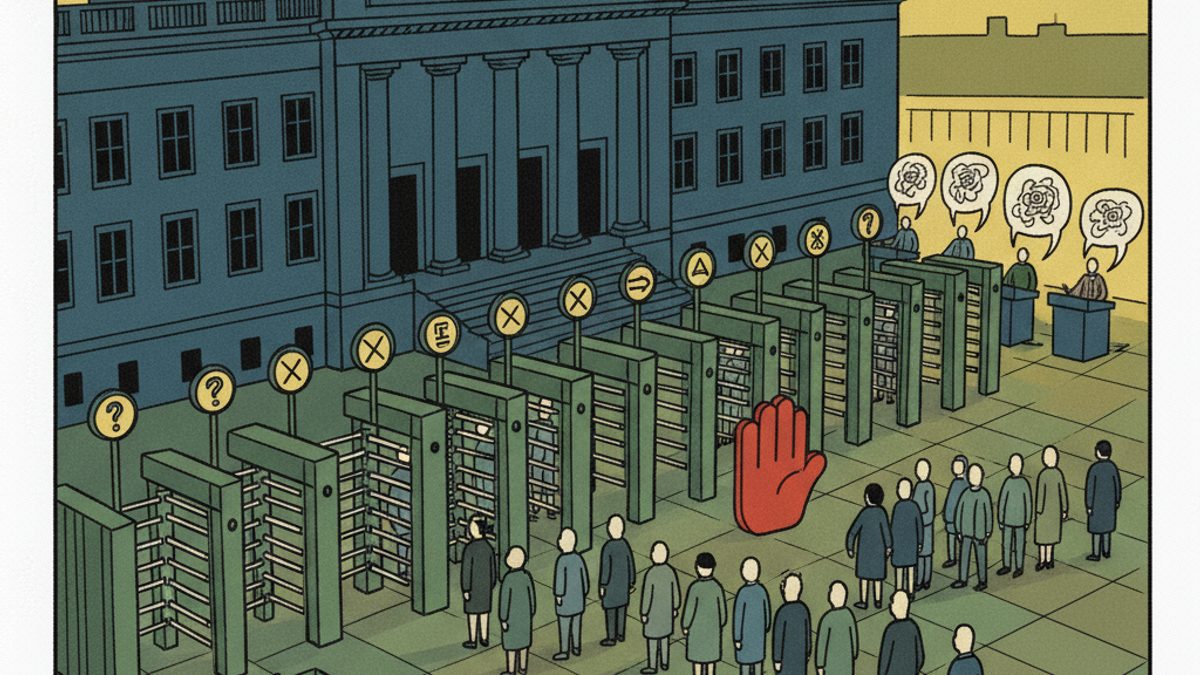
In a letter to the editor in Dagens Nyheter, writer Necati Kanat calls for statutory requirements to sit in Sweden's Riksdag. The writer wants to see requirements for language skills, passed civics knowledge, and an honorable way of life for all members of parliament. The text specifically questions Member of Parliament Mohamed Ali from Vänsterpartiet, and the writer calls for scrutiny of his language proficiency and background. Under the Swedish constitution, it is currently only required that a person has the right to vote and is a Swedish citizen to be eligible for election to the Riksdag.
Our analysis
Demanding language tests and integrity checks of elected officials sounds on the surface like concern for competence. In reality, it is an attack on the most fundamental principle of democracy. A member of parliament is not an employed bureaucrat or a certified professional. The MP carries a mandate from the voters, and democracy is based on the people themselves deciding who is best suited to represent them.
It is no coincidence who is singled out when these demands are formulated. The proposals are not aimed at native Swedes who make disastrous political decisions or mismanage public funds. They are aimed at new Swedes who have taken a seat in the corridors of power. The message is clear: no matter how many votes you receive, you are still to be regarded as a guest who must prove your right to sit in the Riksdag.
Turn the question around: what is it that actually harms this country? It is not an MP who speaks Swedish with an accent. It is politicians who dismantle welfare and discriminate between citizens. If we introduce knowledge requirements for the Riksdag, we have abolished universal and equal suffrage through the back door.
Explained
Eligibility means that anyone who has the right to vote in parliamentary elections also has the right to be elected as a member of parliament. The constitution requires no tests, grades, or professional qualifications to sit in the Riksdag.