
What happened
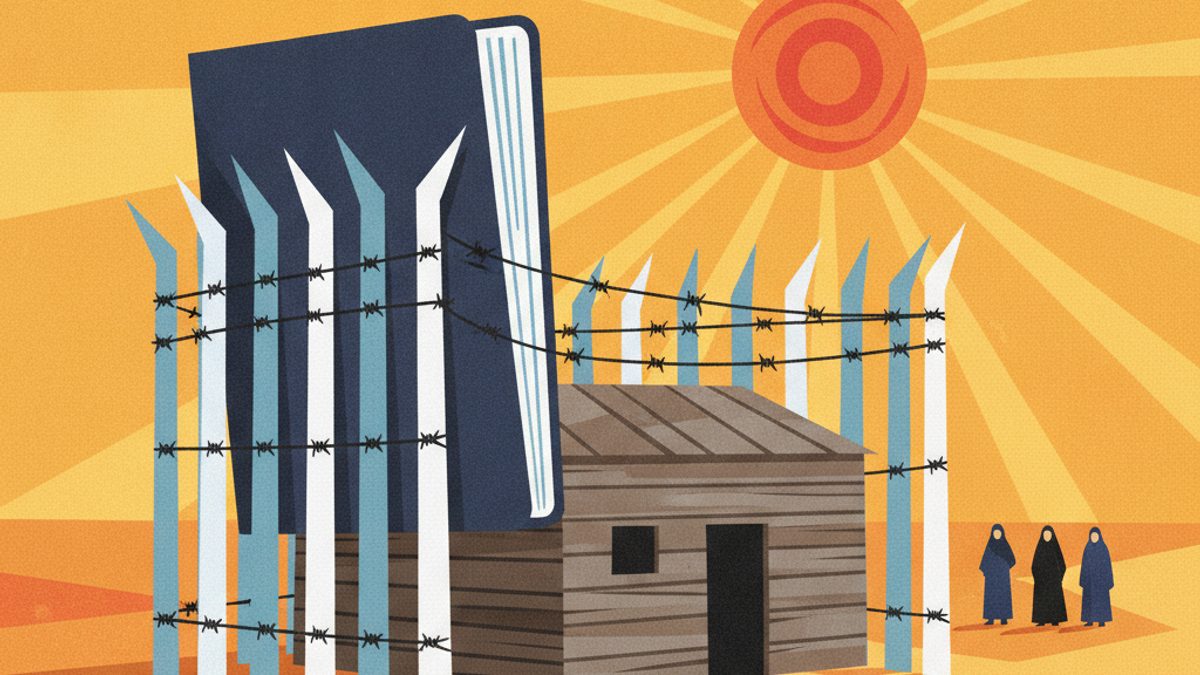
Five EU countries have agreed on a plan to send rejected asylum seekers to a camp in Rwanda. The agreement was reached between Denmark, Germany, Austria, the Netherlands, and Greece with the aim of beginning transfers during 2027. The plan targets individuals who are denied asylum but cannot return to their home countries. The European Commission is supportive of the preparations for the proposed facility. An earlier British attempt with a similar arrangement was halted in court citing human rights before being scrapped in 2024.
Our analysis
When European leaders speak of becoming ”masters in their own house”, it means in practice buying their way out of international law. By moving people to a camp in Rwanda, politicians in comfortable capitals are trying to conjure away the responsibility their own countries have committed to uphold.
The rhetoric is sold as border control and order. But the question no head of government wants to answer is who actually pays the price. Taxpayers' money is sent to regimes on other continents while the rule of law is dismantled. Everything is done so political leaders can score quick points in the domestic debate.
Britain's collapsed project already showed that the model violates human rights and wastes billions. Yet five EU countries choose to dust off the same discarded idea. The message to new Swedes and asylum seekers across Europe is crystal clear: if you do not fit into the opinion polls, those in power want to pay to avoid seeing you.
Explained
A return hub is a facility outside the EU where member states want to send individuals whose asylum applications have been rejected but who cannot return home.