
What we actually know
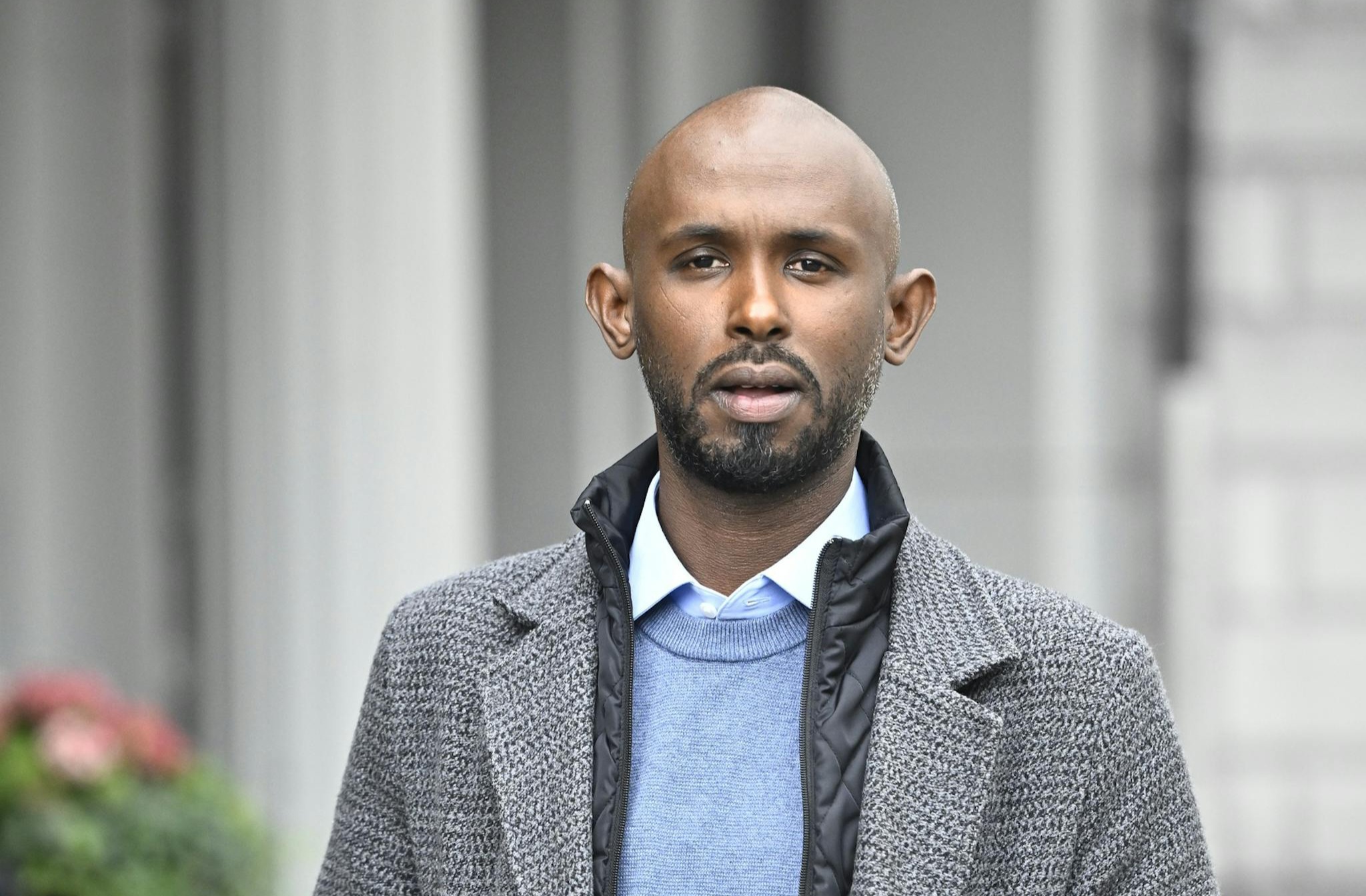
Strip away the headlines and the facts are few. Mohamed Abdukardir Ali, born 1996, was elected to the Riksdag for Dalarna in 2026 on personal votes from ninth place on the Left Party's list. A complaint reached the Prosecution Authority on 1 September, was first dropped for lack of evidence, and was reopened when new information arrived. Ali denies involvement, and according to the prosecutor no one had been notified of suspicion of a crime as of September 2026.
If the allegations of pre-marked ballots and bought votes prove true, it is serious, and every election must be free of undue influence. That is not in dispute. What is in dispute is why this case, above all others, became a national scandal before any charge existed.
The same act, two verdicts
When a Christian Democrat in Växjö handed out pre-marked ballots, it was called an embarrassing mistake. When Christian Democrat, Centre Party or Moderate politicians have done similar things, it was handled as a blunder, not a threat to democracy. Now the same alleged practice, attached to a Swedish-Somali name, is treated as an attack on the nation.
The law points the same way. Established practice holds that pre-marked ballots do not breach the Elections Act as long as they are not machine-printed with the cross; a hand-marked ballot has not been considered unlawful. Vote-buying would be a crime of a different order, which is exactly why it must be judged on evidence, not on who the candidate is.
The double standard extends to character. Ebba Busch has had debts with the Enforcement Authority and has admitted aggravated defamation, yet served as deputy prime minister, and Jimmie Åkesson invited gang leaders to his wedding and is still seen by many as a future prime minister. For old Swedish politicians, debts and dubious acquaintances are private misfortunes. For a Swedish-Somali politician, they become proof of a pattern.
Who blamed whom: a narrative waiting for a face
The Borlänge case landed in a story the national-conservative right had been telling since election night: that new Swedes stole the election.
Sweden Democrat Tobias Andersson wrote on X on election night that if his side lost, it would be because Sweden had granted over 200,000 citizenships to people who then voted left. Moderate MP Fredrik Kärrholm told The Spectator that Sweden's demography decided the election. Kent Ekeroth (SD) used a P4 Dalarna interview to single out newly naturalised citizens for his party's losses. Since the election, the Sweden Democrats and the Moderates have tried to portray it as though "immigrants" stole it.
The common thread is that new Swedes exercising their right to vote is itself the problem — a conspiratorial picture in which the left herded "voting cattle" in marginalised areas, and the defeat of the Tidö parties was every new Swede's fault, even though a new Swedish vote weighs exactly the same as an old Swedish one.
Ali fits this story perfectly: Somali, with a wide Swedish-Somali network, recently naturalised, and elected. He was not the origin of the narrative. He was the face it had been waiting for.
Place matters too. Dalarna, not least Ludvika and Borlänge, has for years been a stronghold of Swedish neo-Nazism. A suspicion aimed at Swedish-Somali voters there does not land on neutral ground.
How suspicion was manufactured
First, his success was treated as proof in itself. But several hundred personal votes, while a lot, is hardly improbable in a county with over 200,000 eligible voters. The Left Party grew by 15 percent locally while the Social Democrats fell. Roughly a third of residents in Borlänge's Tjärna ängar district have Somali roots, like the candidate — and he is a known face there. When DN sent a reporter to Tjärna allé, everyone they spoke to knew who he was. Party colleagues elsewhere called him an unknown; that says more about them than about him.
Second, ordinary democratic behaviour was recast in ethnic terms. The far-right press claimed he had been sent to parliament by Somali clan votes. One critic quoted by TV4 wondered whether he was far better known in "ethnic" circles with an agenda of their own. When old Swedish voters in a small town back a local name they recognise, it is called grassroots democracy. When Swedish-Somali voters do the same, it becomes a clan operation.
What personal voting is for
Sweden has personal votes so that voters, not only party organisations, have a say. Candidates lower down the list have been voted in before and will be again. And is it really worse for a party to list someone with enormous trust in his hometown than for other parties to recruit celebrities with no record in civil society or politics?
The system worked exactly as intended. A community chose its representative over the party's preferred order. The outrage is not about the system. It is about who used it.
Normalisation: from the margins to the mainstream
The danger lies less in far-right websites than in how their framing now travels through established parties and newsrooms. The ground was prepared long before. Magdalena Andersson spoke before the previous election about Sweden not having "Somalitowns", which was, understandably, not well received in Tjärna ängar. When a Social Democratic leader names an ethnic group as a problem, it becomes easier for everyone else to treat that group's votes as suspect.
Former Left Party MP Ali Esbati believes Ali is targeted because of his immigrant background and the distrust of the Somali minority — while accepting that what happened must be investigated, separately from the pack mentality. That is the right position.
The party that blinked
The Left Party announced that Ali is taking a time-out and will not serve from the start of the term. A party that speaks against racism removed its only Swedish-Somali newcomer from parliament on the strength of a reopened investigation with no named suspect. Questions about candidate vetting are fair, but vetting failures are the party's responsibility, not grounds to sideline an elected representative before any charge.
Conclusion
Election fraud must be investigated, whoever is involved. But the rule of law means suspicion follows evidence, not ethnicity. In Borlänge the order was reversed: first the origin, then the insinuation, then the headlines, and only far behind, the facts.
What is being normalised is the idea that new Swedes' democratic participation is inherently suspect — that when Swedish-Somali citizens organise, vote and win, something must have gone wrong. If that lens is accepted, the damage will reach every new Swede who believes their vote counts the same as anyone else's.