
What happened
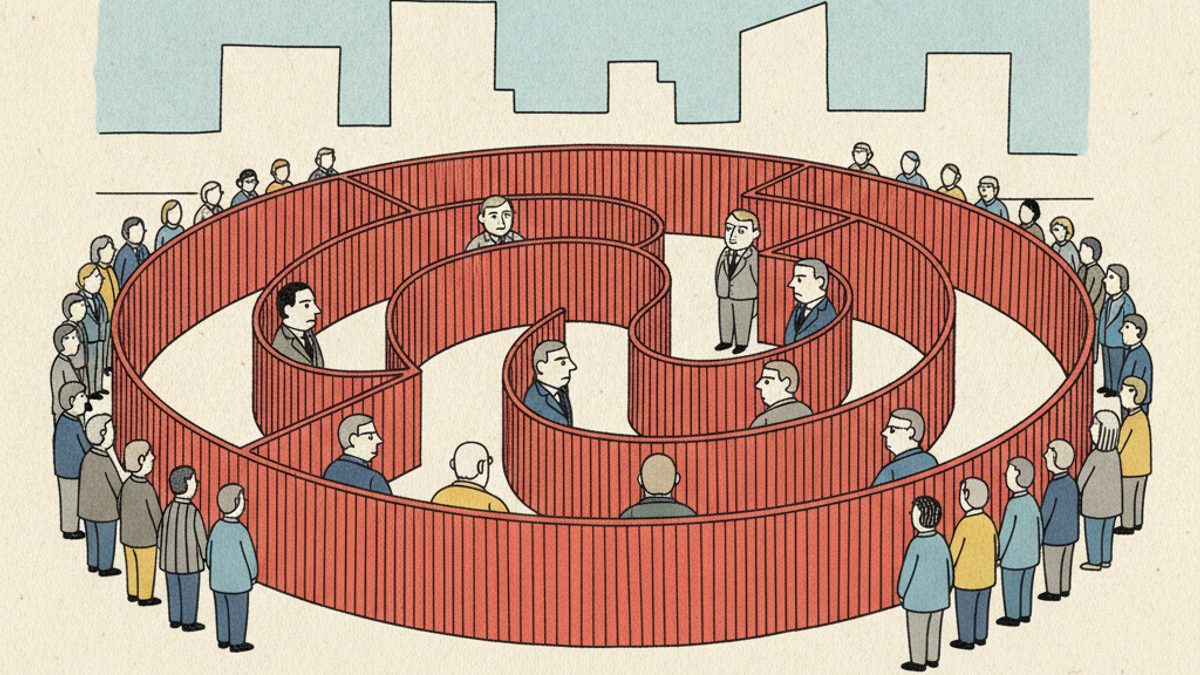
Author and professor Sven-Eric Liedman directs sharp criticism at the parties that won the election in a cultural article in Dagens Nyheter. He questions why the parties' red lines remain just as locked after several weeks of talks. Liedman expresses concern over politicians' lack of competence when it comes to compromising. He describes it as embarrassing that parties in this way risk gambling away government power.
Our analysis
Liedman worries about the politicians' incompetence at the negotiating table. But for new Swedes, the issue is not about political prestige or skill in a tactical game. It is about what is sacrificed when the compromises are finally stitched together.
Experience shows that when parties unite across bloc lines, it is often the rights of new Swedes that are sold out first. Tougher rules, cuts to integration support, and rhetoric of suspicion become the cheap currency used to appease opponents.
The fact that old Swedes in the political elite entrench themselves in symbolic issues delays important reforms. Welfare, schools, and healthcare need stability and resources now. While party leaders guard their own turf, the country's residents pay the price in the form of uncertainty.
Explained
Red lines is a political term for demands on which a party refuses to yield during negotiations.