
What happened
Andreas Malm, climate researcher at Lund University and activist, has been denied entry to the United Kingdom. The decision was made by British immigration authorities on the grounds that his presence is not conducive to the public good. Malm was invited to London to speak at a conference organised by the magazine Tribune on the theme of freedom of speech. He was scheduled to appear alongside Huda Ammori, co-founder of the now terrorist-designated group Palestine Action. During the visit, it was also planned that Malm would be interviewed on the British BBC Radio 4.
Our analysis
When a well-known longtime Swedish researcher is stopped at a European border, it becomes major news about threatened academic freedom. But for many new Swedes, the same suspicion is part of everyday life. Anyone who speaks openly about Palestine, colonialism, or the Middle East already routinely encounters closed doors and security labels.
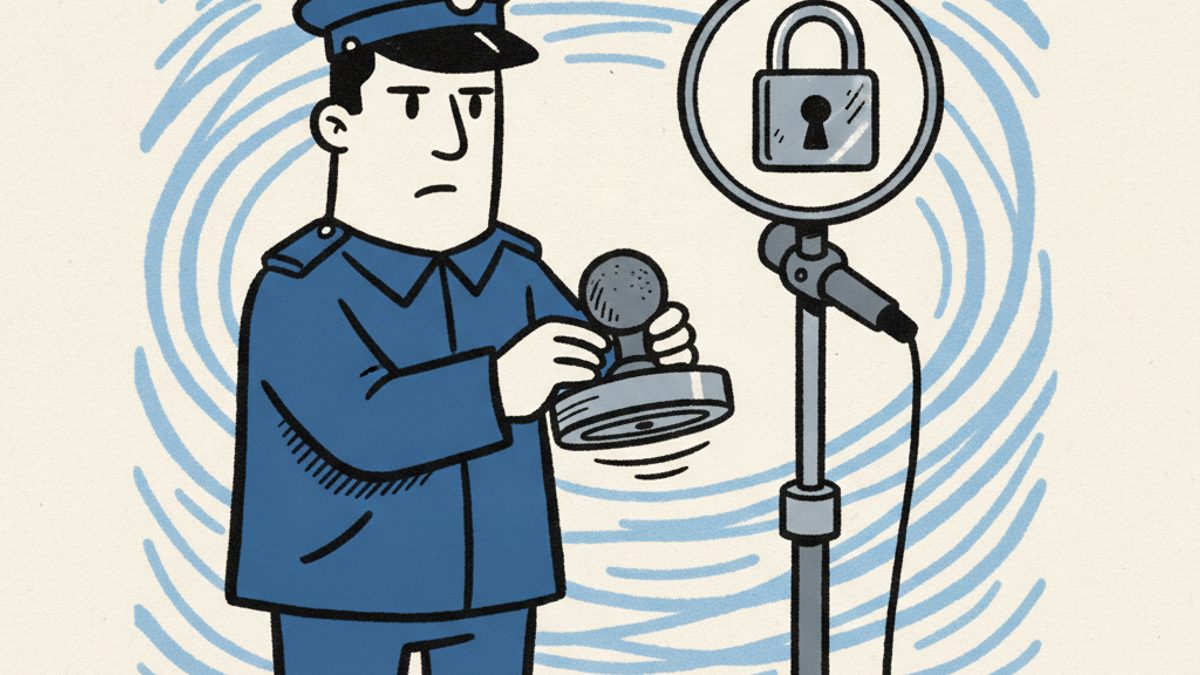
What is happening in the United Kingdom shows how quickly authoritarian methods are normalised. First, organisations protesting against arms exports are banned and designated as terrorist organisations. Then, those who want to discuss the bans are barred. The rule of law is eroded in the name of the public good, while politicians applaud the control.
States in Europe are increasingly using border controls and legislation to silence inconvenient criticism. When the space to criticise power shrinks, it is always minorities and new Swedes who are hit hardest and first. Now, the Malm case shows that no one is safe anymore once the state begins defining criticism of the regime as a security threat.
Explained
Terrorist designation means that a government or authority bans an organisation under anti-terror legislation. This makes it illegal to support, finance, or work for the group.