What happened
Migrationsverket has submitted a report to the government on how Sweden's reception system for asylum seekers will be reformed. The information in this article is based entirely on the agency's own report.
In a first step, the agency wants to establish reception and return centers in Boden, Stockholm, Sigtuna, Mölndal, Malmö and Burlöv. These locations were chosen because Migrationsverket already has accommodation and asylum examination facilities nearby. At a later stage, existing facilities in Västerås, Flen, Halmstad and Vänersborg will also be used. In total, around 11 000 places are estimated to be needed over the coming years, linked to new legislation and the EU Pact on Migration and Asylum.
The change represents a shift in how people will live during the asylum process. Collective facility accommodation will become the main rule. Therefore, the agency is working to gradually phase out the apartments it currently rents, although apartment accommodation will exceptionally remain available for individuals with special needs. According to the government's policy direction, anyone applying for asylum must live in a reception center, while individuals who have received an order of expulsion or deportation that has entered into final legal effect will be placed in a return center. Today, there are eight return centers with around 1 800 places.
Our analysis
Analysis: What the decision means and what coverage misses
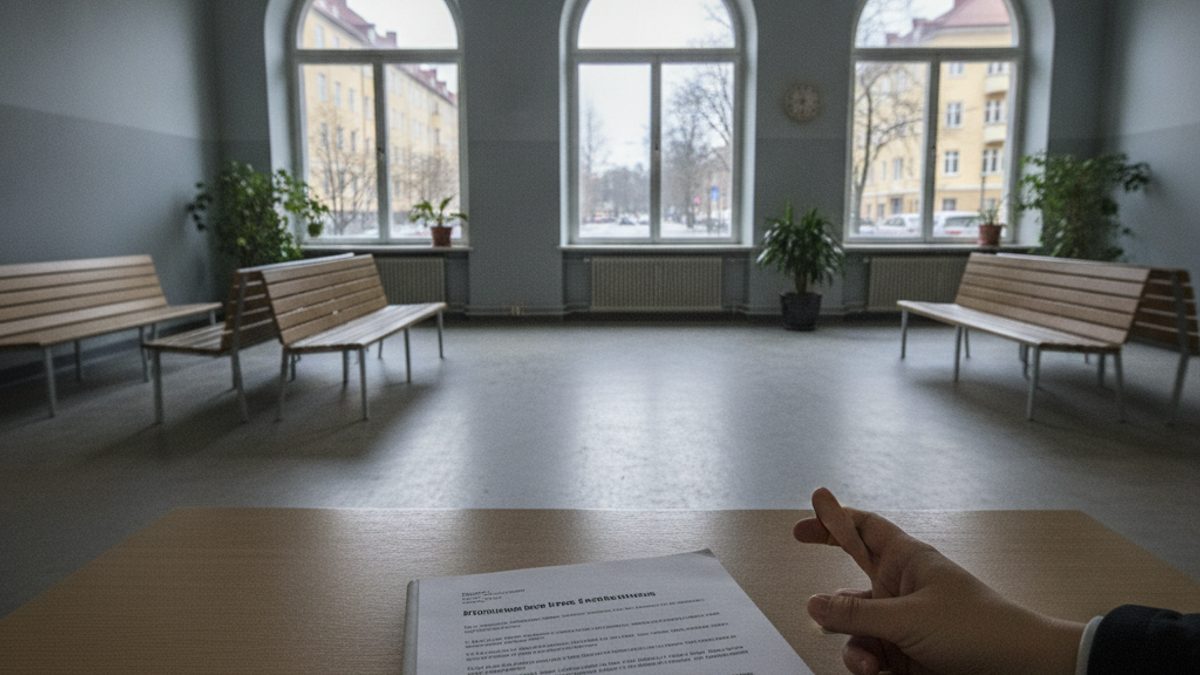
In practice, this proposal means that the everyday lives of asylum seekers are being institutionalized. For many years, people in the asylum process have had the opportunity to live in regular apartments or arrange their own accommodation (EBO). As collective accommodation is now made the mandatory norm, asylum seekers are moved away from regular residential areas and gathered in specific facilities.
For asylum seekers, this means significantly reduced personal privacy and limited autonomy during a process that often spans a long period of time. Even though Migrationsverket states that the facilities will be able to be partitioned and offer activities, this form of accommodation means that families and individuals live in close proximity to others in a precarious life situation.
Standard reporting often focuses on logistics, the number of places, and negotiations with municipalities. What is easily overlooked is how the step from independent apartment living to a collective, detention-like environment affects people's mental health, children's schooling, and the ability to build networks in Swedish society from day one.
Source: Migrationsverket