
What happened
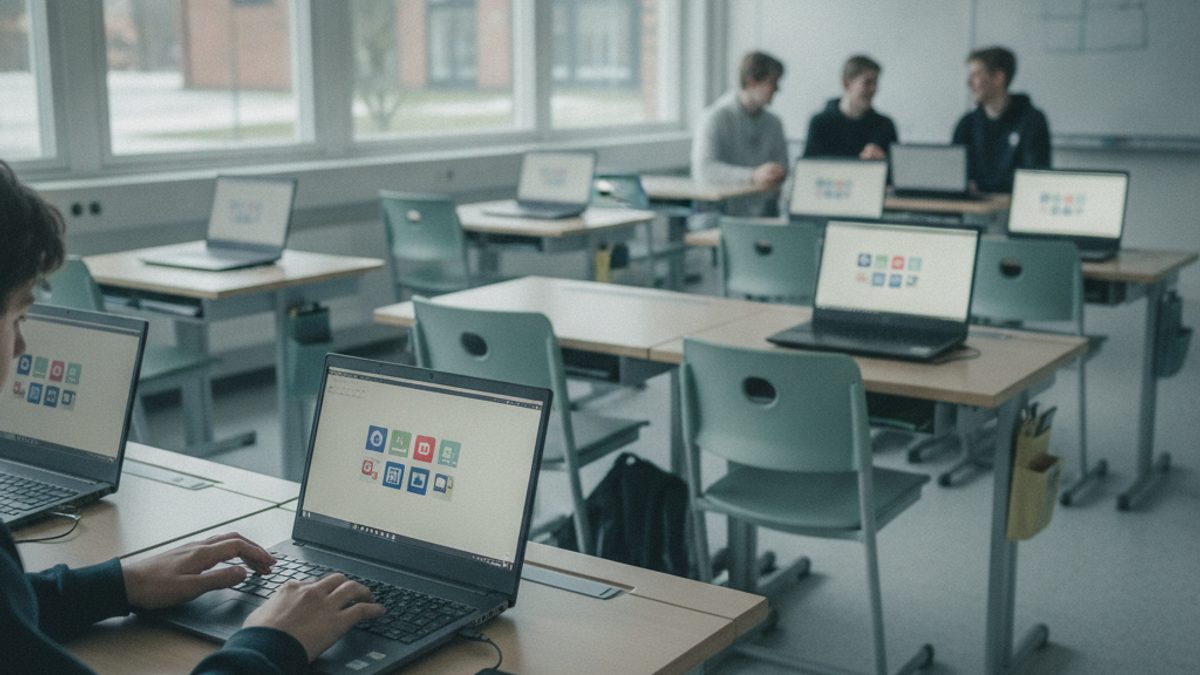
Two years ago, Mälarhöjdens skola in Stockholm introduced a ban on mobile phones throughout the entire school day. Ninth-graders at the school tell Dagens Nyheter that the measure has led to better study calm, increased socializing during breaks, and less anxiety in the changing rooms. At the same time, students describe that the ban is circumvented by some who download apps like Snapchat and Roblox onto their school computers. From August 1, 2026, mobile-free school days will become mandatory in all compulsory schools, after-school recreation centers, and open leisure-time centers in Sweden. The new law means that phones are to be collected in the morning and returned at the end of the school day, with the possibility of exemptions as an educational support.
Our analysis
The decision to introduce a general mobile ban from August 1, 2026 shows how the legislature chooses central bans over local solutions to establish order. However, experiences after 2 years at Mälarhöjdens skola show that a ban on paper does not stop screens, but instead shifts usage to students' school computers. Standard reporting focuses on the improved classroom atmosphere but omits how schools are to handle permitted exemptions without singling out those students who actually need the phone as an aid. On August 1, 2026, the rules will take effect in all compulsory school forms, placing the practical responsibility entirely on teachers and principals to enforce the boundary.
Explained
Under the upcoming legal requirement, a mobile-free school means that students' phones are collected at the start of the school day and returned when the school day ends.
Source: Dagens Nyheter