
What happened
The Sweden Democrats are changing their policy and backing down from earlier demands for ministerial posts in the government. The party announces that they will not stop Moderate leader Ulf Kristersson when the Riksdag votes on the prime minister post next week. The Sweden Democrats state that they accept sitting in opposition if Kristersson wins the vote. However, for Ulf Kristersson to be able to form a government, the Center Party must also change its stance. The Center Party has previously announced that they will not cooperate with the Sweden Democrats and will only vote yes for the Social Democrats' party leader.
Our analysis
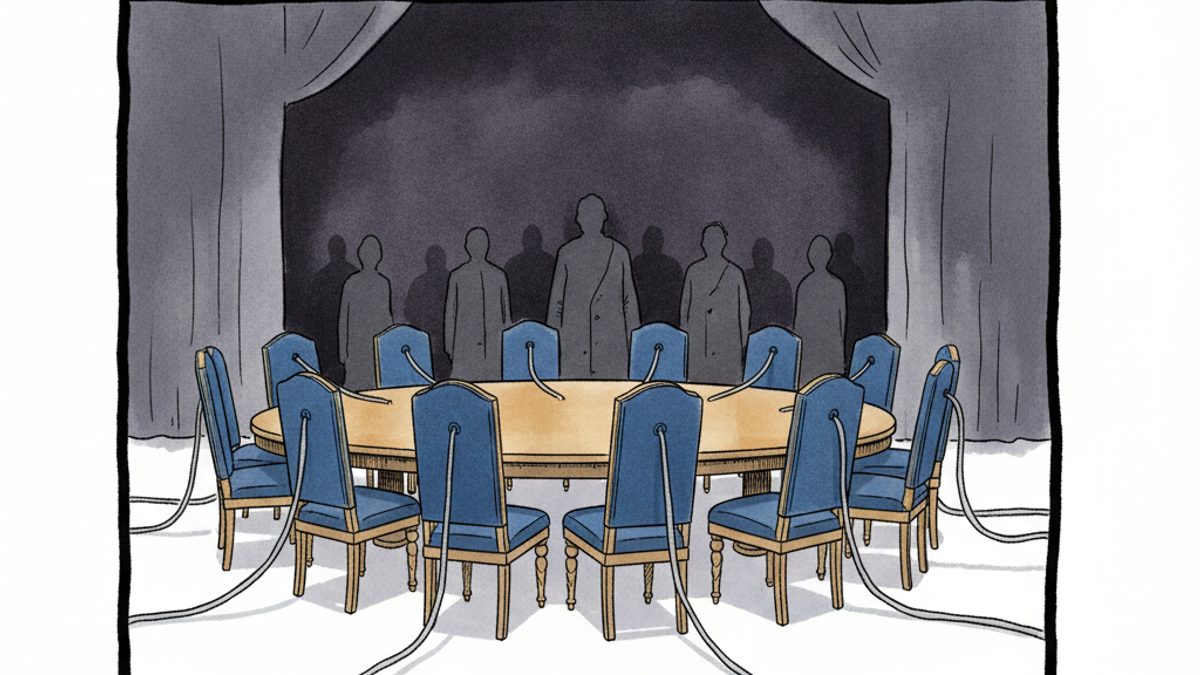
The populist and anti-immigration party the Sweden Democrats does not need ministerial portfolios to steer Swedish politics. By renouncing formal government power, the party avoids taking responsibility for crises and welfare cuts. At the same time, they can continue pushing through harsher laws targeted at new Swedes from the corridors of the Riksdag.
For the country's new Swedes, it does not matter what titles the politicians hand out to each other. The price for Ulf Kristersson's governing power remains the same regardless of cabinet seats: a policy built on suspicion and worsened conditions. Power does not move away from SD just because the party remains outside Rosenbad.
Now all eyes are on the Center Party. The question is whether old election promises of decency will hold when the Riksdag's voting buttons are pressed, or if the door to cooperation will be left ajar.
Explained
A prime ministerial vote means that members of the Riksdag test whether a proposed government former has sufficient support to form a government. In Sweden, negative parliamentarism applies, which means that the proposal is approved as long as a majority does not vote against it.