
What happened
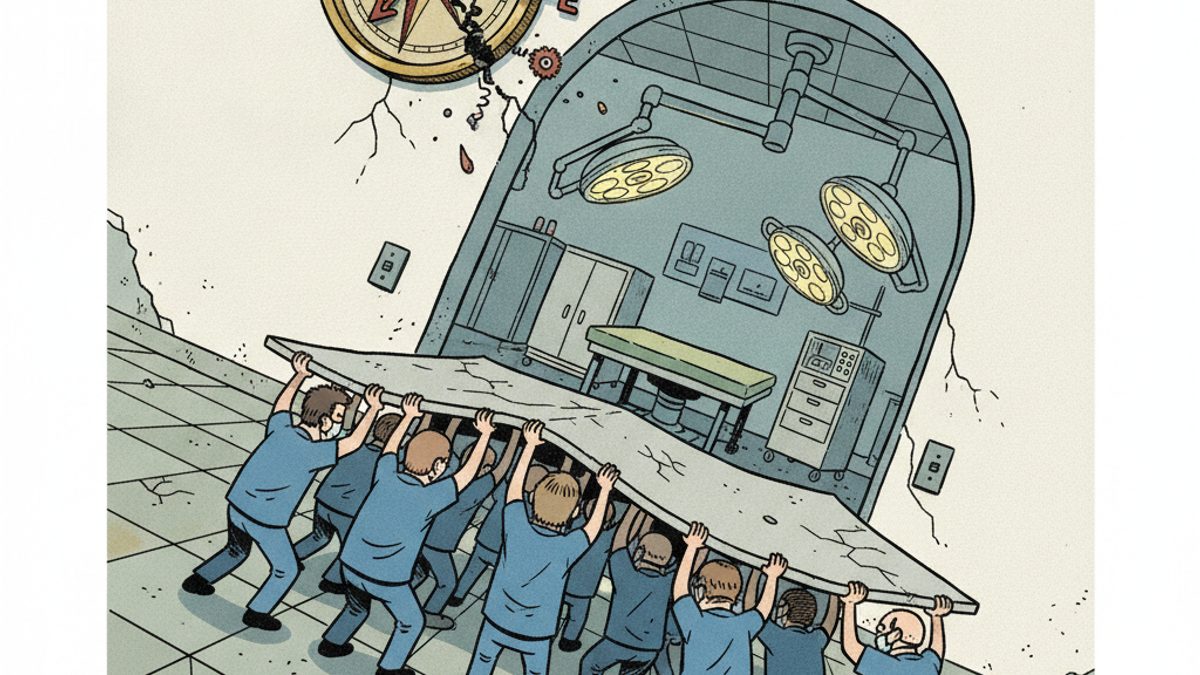
Sverigedemokraterna have gained increased influence in several regions following political agreements in recent years. In Region Blekinge and Region Gävleborg, the party has been in power for four years. The political administration is now accused of cover-ups and a lack of governance in healthcare. Richard Lapell, Social Democratic regional commissioner in Blekinge, describes the administration as characterized by impulsiveness, chaos, and disorder.
Our analysis
Sverigedemokraterna have long tried to sell the image of themselves as the guarantor of order and discipline. The experiences from Blekinge and Gävleborg show an entirely different reality. When the party receives actual responsibility for hospitals and healthcare centers, simple campaign promises quickly turn into administrative disarray and political secrecy.
It is never the politicians in the boardroom who pay the price for political chaos. It is the staff on the floor and the patients in the queues. Swedish healthcare is largely sustained by new Swedes, from emergency doctors to assistant nurses and cleaners. When leadership is characterized by impulsive decisions and a lack of transparency, both the work environment and patient safety are threatened.
This points to deep political double standards. In the national debate, the party constantly points to new Swedes and migration as the cause of crises in the welfare system. But when they themselves are given the power to govern the resources, they fail to create stability. The healthcare crisis in these regions is not about who seeks care, but about who runs it.
Explained
A region is responsible for healthcare, dental care, and public transport in a county. Regional commissioners (regionråd) are the politicians who work with this full-time.