
What happened
In Göteborg, Moderaterna, Demokraterna, Liberalerna, and Kristdemokraterna have presented a joint budget proposal together with Sverigedemokraterna. The parties propose a tax cut of 13 öre as well as increased funding for children, youth, and the elderly. The budget also proposes stricter language requirements for staff and a review of the city's operations for Roma inclusion as well as the Regnbågshuset meeting place. At the same time, the parties have entered into technical electoral cooperation that allows Liberalerna and Kristdemokraterna to retain their municipal commissioner posts.
Our analysis
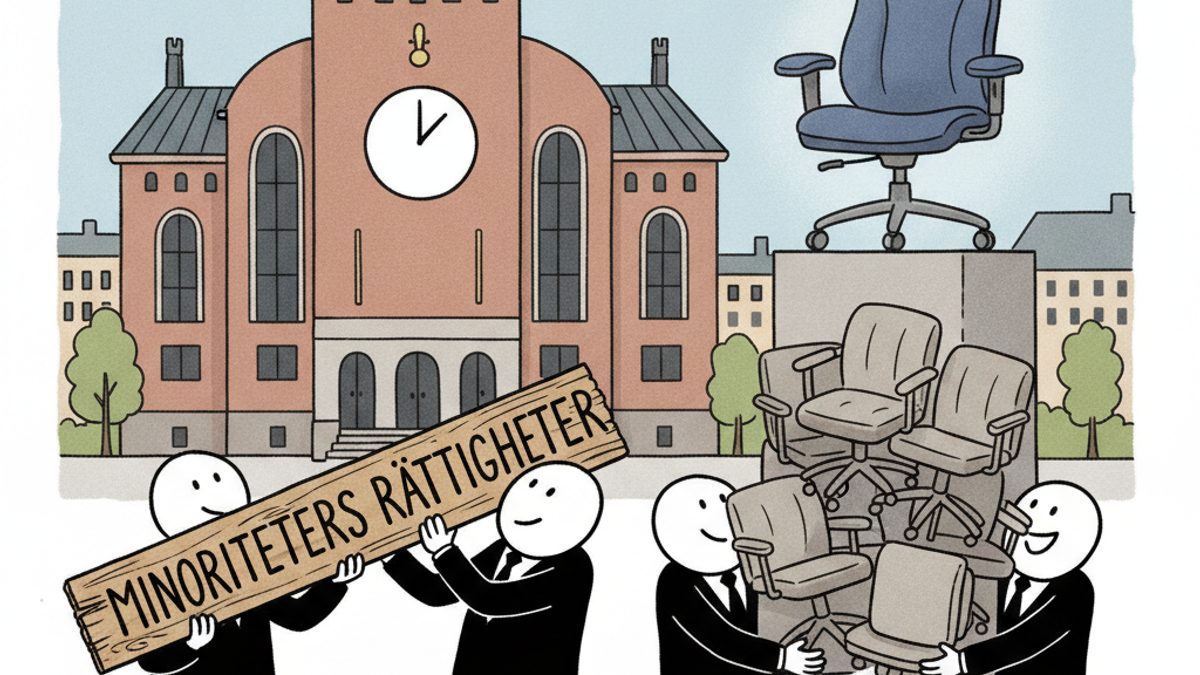
The price for Liberalerna and Kristdemokraterna to retain their well-paid municipal commissioner seats was the city's minorities. Sverigedemokraterna's first clear imprint on the joint budget is questioning Göteborg's work on Roma inclusion. It is deliberate signal politics directed at a group that is already hit hard by prejudice and exclusion in everyday life.
For new Swedes in Göteborg, the agreement shows how quickly old principles disappear when power beckons. Parties that previously promised to maintain a clear line against anti-immigration politics now happily sit at the negotiating table. At the same time, the right-wing parties want to sell off public housing rental apartments to finance the budget, which directly hits those in Göteborg who are already struggling in a locked housing market.
The issue is not that Sverigedemokraterna has suddenly softened. The question is what it says about the established parties that they are prepared to negotiate away the security of minorities in exchange for senior political posts.
Explained
Technical electoral cooperation means that parties collaborate solely to share political appointments and fees in committees and boards, without necessarily agreeing on all policy issues.