
What happened
Riksrevisionen is investigating how Skolverket has handled students with low theoretical aptitude, and the report is scheduled to be presented in autumn 2027. Around 14 percent of all students belong to the group, which finds itself between mainstream compulsory school and adapted school. In an opinion piece in Svenska Dagbladet, psychologist Love Grahn criticizes the agency for having dismissed warnings from researchers and teachers for years, as well as removing sections on cognitive differences from support materials. Skolverket stated in December 2025 that support materials are lacking because the government has not commissioned any and the agency does not act on its own initiative.
Our analysis
When students are left behind in Swedish schools, politicians are quick to point fingers. In the debate, new Swedes constantly bear the blame for falling test results, dropping grades, and disorderly classrooms. It is a convenient lie that conceals a gigantic systemic flaw.
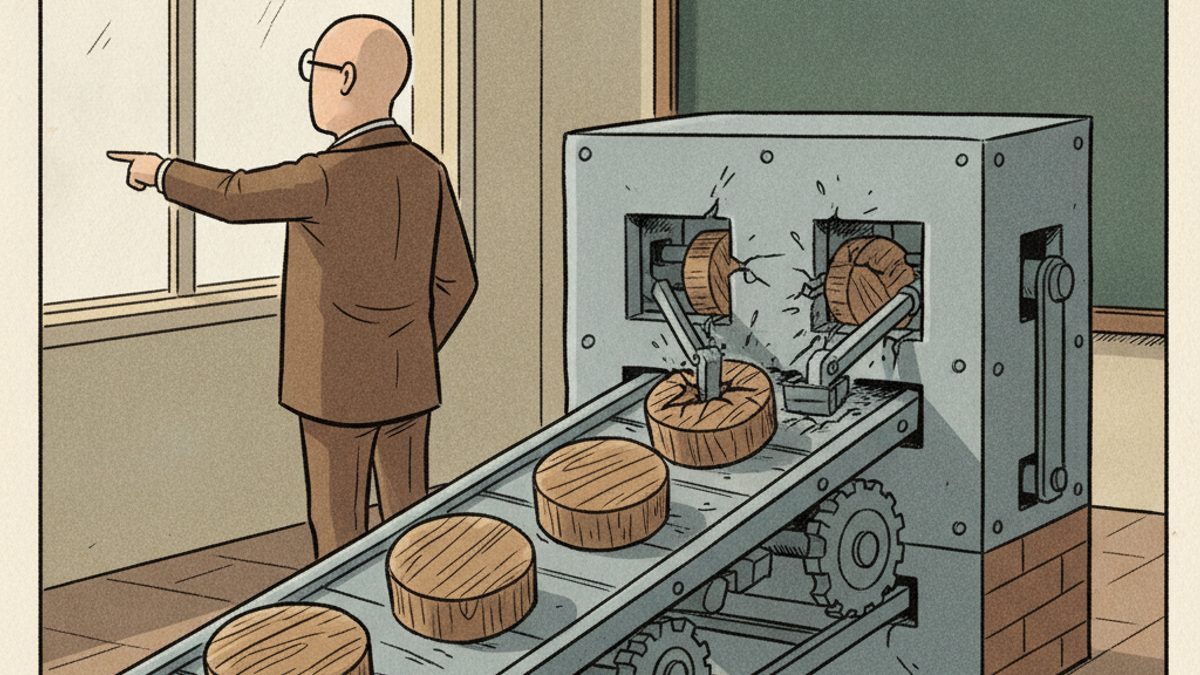
Skolverket has deliberately built a school system that turns a blind eye to human conditions. When one in seven students lacks support to meet abstract demands, it is called a lack of motivation or language difficulties. This hits both new and old Swedes hard, but the blame for the school crisis is routinely placed on the new ones.
Blaming educational breakdowns on immigration policy is easy for those in power who want to avoid taking responsibility. Skolverket's silence has given xenophobic forces free rein to use the school's failures as a political weapon.
Explained
Low theoretical aptitude means that a person finds abstract thinking and theoretical analyses more difficult than average, but often has good practical abilities. It is not a medical diagnosis, but a natural variation that affects around 14 percent of the population.