
What happened
The center-right parties are trying to achieve government power by attracting Centerpartiet after a lost election. Centerpartiet has asked how such a government base would avoid dependence on the anti-immigration party Sverigedemokraterna. Three center-right representatives – Ulf Kristersson, Elisabeth Svantesson and Jakob Forssmed – are now pointing to “the Danish model” as an answer to the question.
Our analysis
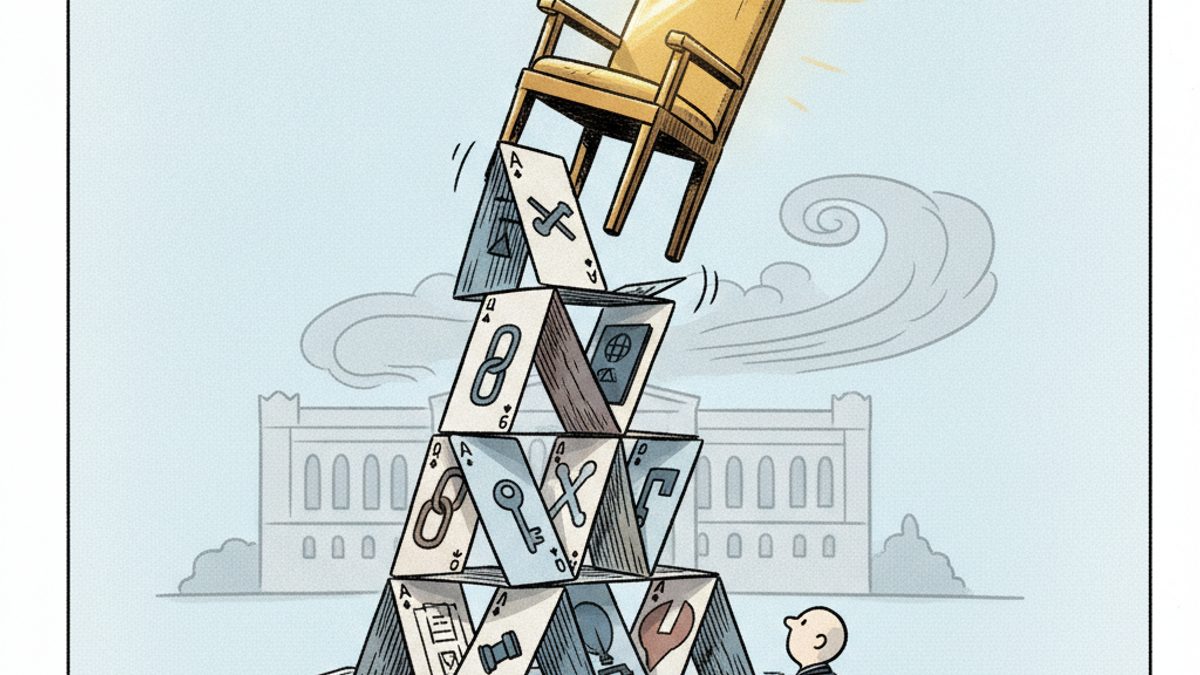
When center-right politicians speak of a Danish model, it is not about bike paths or coziness. It is about buying government power by adopting anti-immigration politics as their own. In Denmark, the model meant that the traditional right implemented the xenophobic party's demands in exchange for holding office in the government offices.
For new Swedes, the price of this power play is always the same: harsher rules, increased suspicion, and more insecurity in daily life. It is called pragmatic negotiation art in the media, but in reality, people's security is used as small change for ministerial posts. Parties that previously promised a clear boundary against racism now choose instead to administer it.
The question that should be asked is rarely turned on those in power themselves. How did the Swedish center-right become so devoid of ideas and power that the price of government power must always be paid by the country's new Swedes?
Explained
In Nordic politics, the Danish model refers to how center-right parties in Denmark governed with the support of Dansk Folkeparti without granting the party ministerial posts, in exchange for significantly tightened migration and integration policies.