
What happened
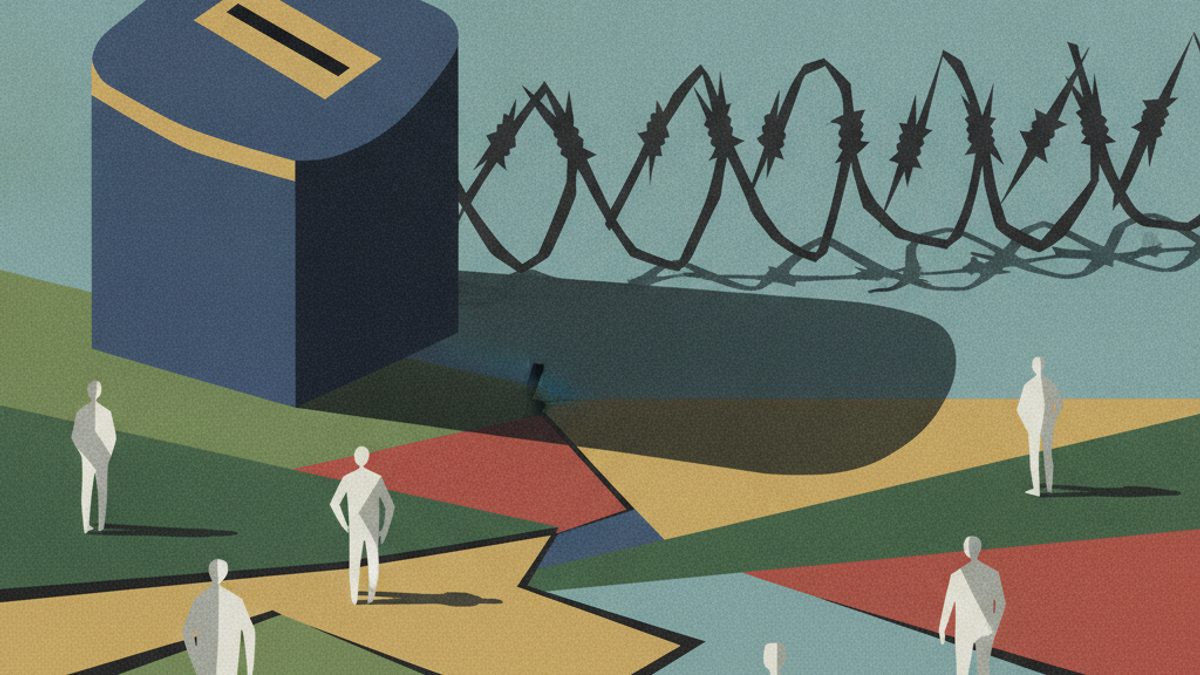
Israel is holding its first election since Hamas's attack on October 7, 2023. According to opinion polls, the race is tight, and there is great uncertainty about how the election will end. Among voters, security and the country's economy are highlighted as two of the most decisive issues. In the political debate, the concept of defense is mentioned significantly more frequently than the word peace.
Our analysis
When the word peace is erased from the political debate, the effects do not stop at the borders of the Middle East. For new Swedes with roots in the region – both Swedish-Palestinians and Swedish-Jews – this is not about an abstract foreign election. It is about the survival of relatives and a Swedish everyday life where suspicion and hate crimes are allowed to grow alongside the war.
Mainstream reporting often portrays the election as a tactical game for government power. What is omitted is how the normalization of a permanent state of war shifts boundaries in Sweden as well. When peace is not even considered a realistic goal, it becomes easier for Swedish decision-makers to silence criticism of injustice and dismiss demands for human rights.
The only ones who benefit from peace disappearing from the conversation are politicians who build their power on fear and division. The price is always paid by ordinary citizens who want to live in security, regardless of whether they live in Tel Aviv, Gaza, or a Swedish suburb.