
What happened
The newspaper Flamman urges the Left Party to approve Magdalena Andersson as Prime Minister even without its own ministerial posts in the government. The background is that the Centre Party refuses to sit in a government with the Left Party, creating a parliamentary deadlock. Flamman warns that a 'no' from the Left Party increases the likelihood that Ulf Kristersson retains government power. According to the newspaper, a snap election risks further strengthening the right-wing parties and giving the Sweden Democrats even greater political influence.
Our analysis
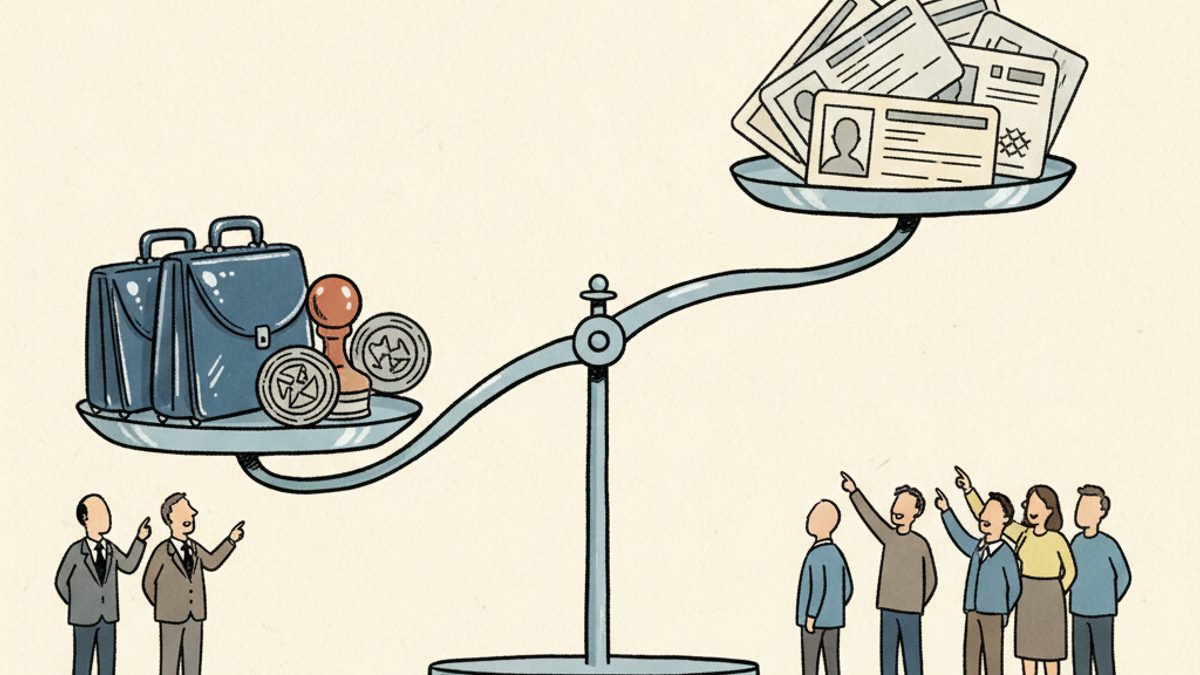
In the corridors of the Riksdag, the government issue is about party prestige and ministerial titles. For the country's new Swedes, it is about everyday security, residence permits, and fundamental civil rights. When opposition parties lock themselves in tactical battles, they forget who has to pay the price.
Step by step, the politics of the Sweden Democrats have moved into the center of power. Threats of revoked citizenship and harsher deportations are now used as bargaining chips in Swedish politics. The parties that claim to stand up for the equal value of all people must understand what continued right-wing rule means in practice for the people who build and carry Sweden.
Putting ministerial demands ahead of protection against anti-immigration government policies is a serious mistake. Real political power is not measured in titles at the ministries. It is measured in the ability to stop a policy that turns new Swedes into second-class citizens.
Explained
A prime ministerial vote is the Riksdag's formal consideration of the Speaker's proposed head of government. The proposal is approved as long as an absolute majority, at least 175 members, does not vote no.