
What happened
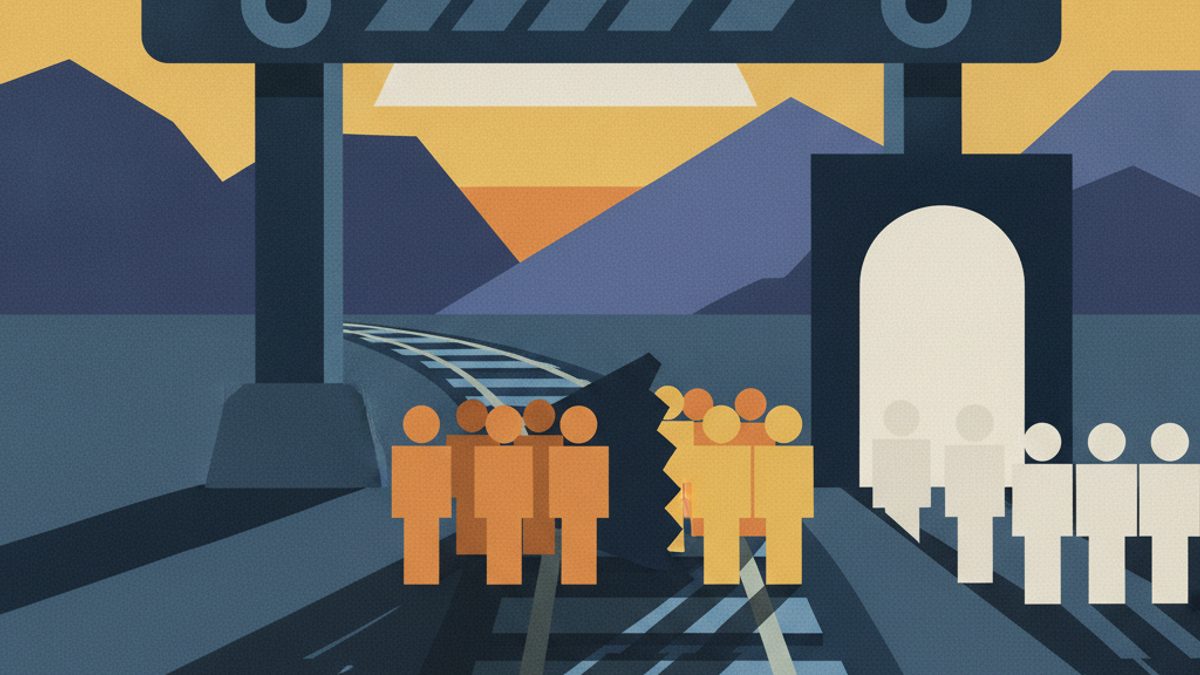
The government has decided to extend controls at Sweden's internal border for six months, from 12 November to 11 May next year. According to the government, the decision is due to a serious threat to public order and internal security, linked to the war in Ukraine and the risk of Russian sabotage. The police determine where and how the controls will be carried out. Several other countries in Europe, including Denmark, Germany, and Norway, have introduced corresponding controls.
Our analysis
When politicians speak of sabotage threats and foreign powers, the measures sound self-evident. But in practice, it is rarely foreign spies who are forced to open their bags on the platform in Malmö. Anyone who does not look like a traditional Swede already knows how such checks usually play out.
What were once called temporary controls have turned into a permanent state. Year after year, the decisions are extended with new references to the international situation. Freedom of movement within Europe remains on paper, but in practice, it is made conditional for those who deviate from the norm.
Those in power can easily demonstrate decisiveness to public opinion by pointing to the border. The price of that political signal is paid in everyday life, however, by people who are constantly forced to prove their right to travel in their own country.
Explained
Internal border control means that a country within the Schengen cooperation temporarily checks passports and ID documents during travel from other member states, despite the fundamental rule of free movement.