
What happened
The government has tasked Inspektionen för vård och omsorg (IVO) with reviewing specialized eating disorder care for children, young people, and adults. The aim of the assignment is to identify shortcomings and make care more equitable across the country. According to the organization Frisk & Fri, the biggest problems today are long waiting times and major regional differences in competence and quality of care. The organization welcomes the review, but also calls for better support for relatives and a more cohesive chain of care.
Our analysis
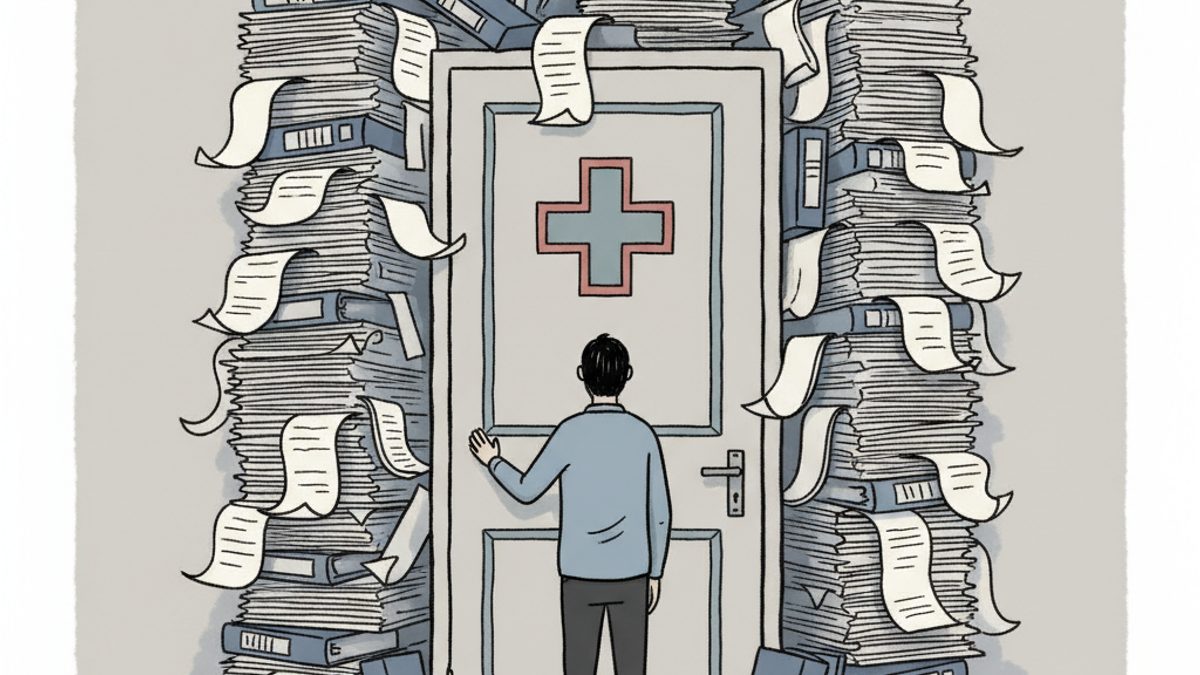
When Swedish healthcare breaks down, politicians order an inquiry. It is convenient, because paper costs less than staff. But supervision from IVO creates neither more hospital beds nor shorter queues for those starving themselves in the waiting room.
The debate on eating disorders often pretends that the illness has a specific postal code or background. In reality, young people are affected regardless of where they live, but for new Swedes, the barrier to care is twice as high. When healthcare is centralized and cracks due to resource shortages, families with the weakest networks and the least insight are the first to fall out of the system.
Swedish healthcare is sustained by new and old Swedes working tirelessly side by side on the floor. At the same time, political cuts dismantle the security that the very same staff are trying to save. If the government is serious about equitable care, funding for the chain of care must be delivered, not just directives to a regulatory authority.
Explained
Inspektionen för vård och omsorg (IVO) is a government agency that oversees that hospitals, healthcare centers, and social care services comply with laws and provide safe care.