
What happened
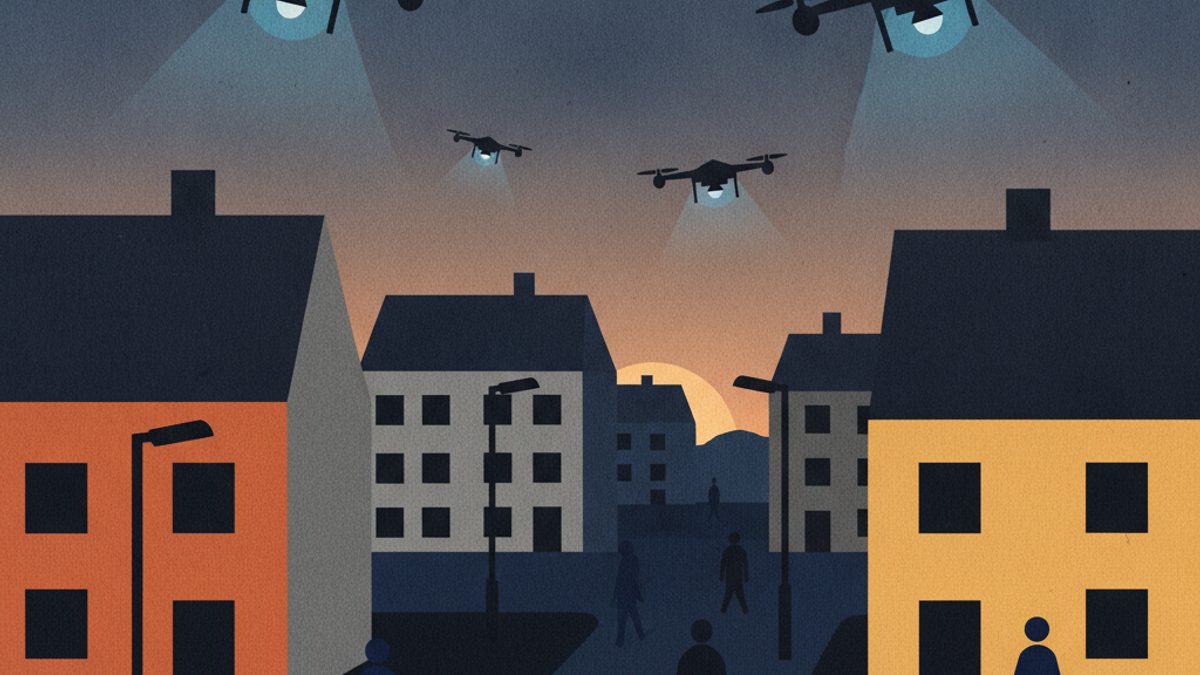
On October 21, 24-year-old Saba Abraham was shot dead in a sports hall in Älvsjö. One week later, a 24-year-old man was shot dead by a car in Bagarmossen in southern Stockholm. According to the police, there is currently no suspected link between the two murders. To prevent the violence from escalating, the police have increased their presence and decided on drone surveillance over Älvsjö and Solberga during the coming week.
Our analysis
When fatal shootings once again strike southern Stockholm, people's lives are reduced to police risk assessments. Once again, young people are losing their lives, and once again, relatives and neighbors in the suburb are forced to carry fear in their everyday lives. It is primarily new Swedes who are affected when gang violence is allowed to tear residential areas apart.
Politicians routinely compete to demand tougher measures as soon as the alarms sound. But the response meeting the people on the ground is rarely increased security, but rather surveillance cameras and drones in the air. The state's presence is only noticed once the shots have already fallen, in the form of police tape and technology, not in the form of resources for schools, leisure activities, and genuine preventive work.
Standard news coverage treats the murders as technical headlines in a statistical curve. What is omitted is the total betrayal of the local community. The right to life and security should not depend on what postal code you live in or where your roots are.
Explained
Drone surveillance means that the police use remote-controlled camera drones in the air to monitor a specific area and gather information.