
What happened
Clara and Emma, both 15 years old, are working at a nursing home during the autumn break. They are two of a total of 36 ninth-graders in Piteå participating in an initiative to try out work in elderly care. Clara has not visited a nursing home before. Emma is choosing between applying for the Health and Social Care programme or the Hairdressing programme in upper secondary school.
Our analysis
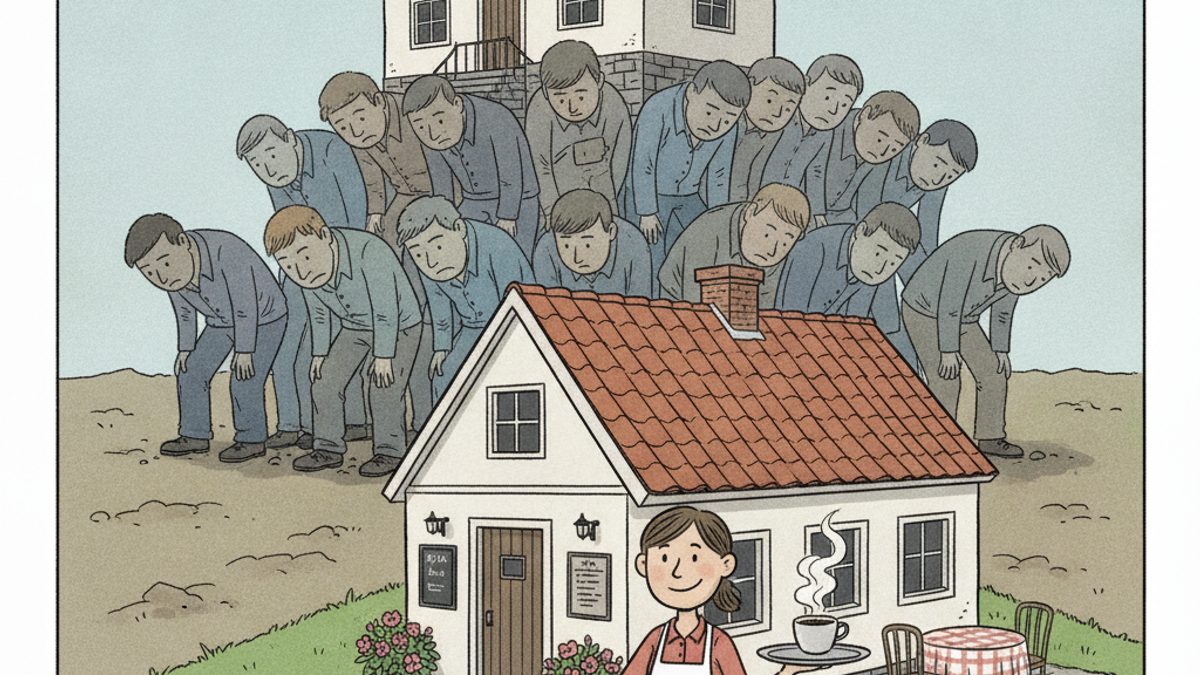
It is easy to write heartwarming reports about teenagers baking and drinking coffee with the elderly during a few days off school. But the idyllic picture obscures the reality of Swedish welfare. Elderly care does not function thanks to temporary holiday workers, but through thousands of employees who lift, wash, and keep watch under constant time pressure.
Many of those who hold the operations together are new Swedes. Health and social care is the largest employer for women in vulnerable areas, and 34 percent of working women there are employed in healthcare and social care according to Almega. In the political debate, these areas are often singled out as a pure cost, even as Swedish elderly care would collapse without the workforce from there.
Introducing young people to the profession is good, but it does not solve the crisis in care. If policymakers are serious about securing care, they must stop casting suspicion on the new Swedes who carry the sector and instead give them permanent contracts, higher wages, and decent schedules.
Explained
Holiday work refers to fixed-term employment offered by municipalities to young people during school holidays to provide practical experience of the labor market.