
What happened
More and more people in Sweden are hesitant about introducing advanced digital tools in welfare. This is shown by a survey from Sveriges Kommuner och Regioner, SKR, and several partner organizations. In healthcare, the proportion who feel comfortable with technology as a support has declined across all surveyed areas. In schools, the proportion who want technical support systems for teachers has fallen from 49 to 39 percent in one year. At the same time, a majority of respondents still accept that technical solutions relieve pure administration.
Our analysis
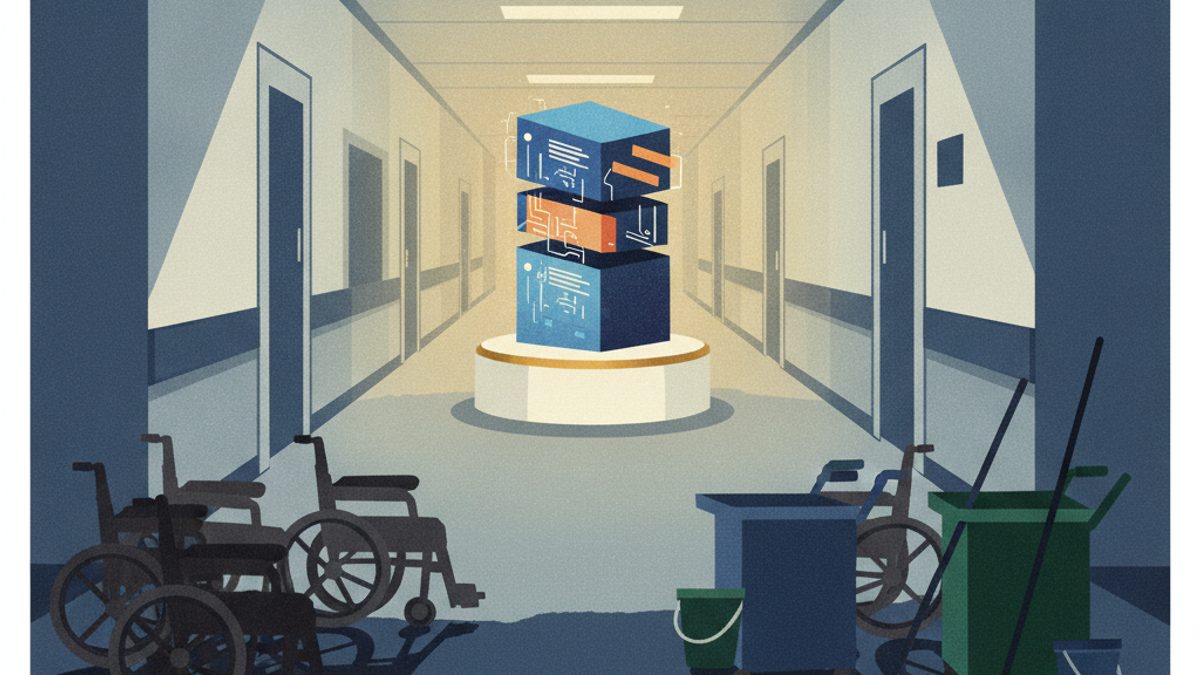
When politicians cut welfare, digital support systems are sold as a magic wand. Those in power promise efficiency, but on the floor, reality remains. Neither a school nor a hospital ward functions without people who see, listen, and understand. It is new Swedes who largely carry Swedish welfare every day, and they are the ones who take the hit when management tries to replace staff with digital shortcuts.
Swedes' growing skepticism shows a sound insight: no one wants crucial decisions about health or grades to be made by code. The usual debate is almost always about the possibilities of technology. It forgets to ask who benefits from the development. The answer is rarely the assistant nurse or the student, but expensive consulting firms and suppliers selling systems to municipalities with austerity requirements.
The welfare crisis is not solved on a server. It is solved through more colleagues, decent conditions, and respect for those who sustain care in the country.
Explained
Sveriges Kommuner och Regioner (SKR) is the member and employers' organization for all of the country's 290 municipalities and 21 regions.