
What happened
The government has decided to extend internal border controls in Sweden. The decision is justified by the serious security situation prevailing following Russia's invasion of Ukraine. The controls are carried out by police at border crossings, bridgeheads, and ferry terminals. The decision gives authorities the continued right to check travelers' identity documents upon entry from other countries within the Schengen cooperation.
Our analysis
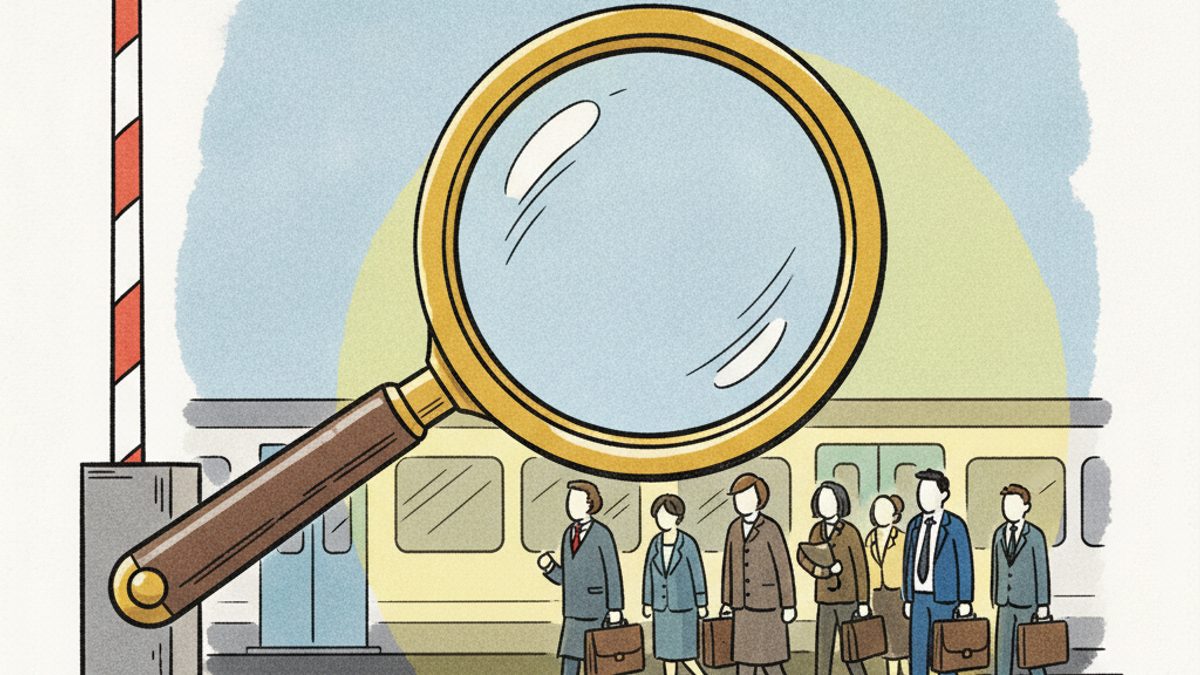
The government points toward Moscow when justifying the decision. But on the train platform in Malmö or at the ferry terminal in Helsingborg, it is not Russian agents who are stopped and scrutinized. There, it is new Swedes who are forced to prove they have the right to be here, solely because they do not fit an old Swedish stereotype.
Internal border controls were supposed to be a temporary exception. Today, they are a permanent state. When foreign policy security threats are used as a constant argument, the consequence is normalized surveillance in everyday life, where anyone with dark hair or an accent runs a many times higher risk of having to justify their existence.
Those in power gladly speak of an open Europe and free movement. In practice, that freedom primarily applies to old Swedes. For new Swedes, the policy means that the journey home from a neighboring country is always marked by suspicion and checks.
Explained
Internal border controls mean that a country within the Schengen cooperation checks ID documents during travel to and from other member states, which normally does not occur at open borders.