
What happened
A report from the newspaper Mitt i depicts everyday life for caseworkers and decision-makers at the Swedish Migration Agency's headquarters in Sundbyberg. Staff describe how they handle cases of family reunification after tightened requirements came into force on the first of October. The employees talk about the psychological responsibility of assessing people's relationships based on laws that politicians have voted through. At the same time, the agency's waiting rooms stand empty following the new regulatory changes.
Our analysis
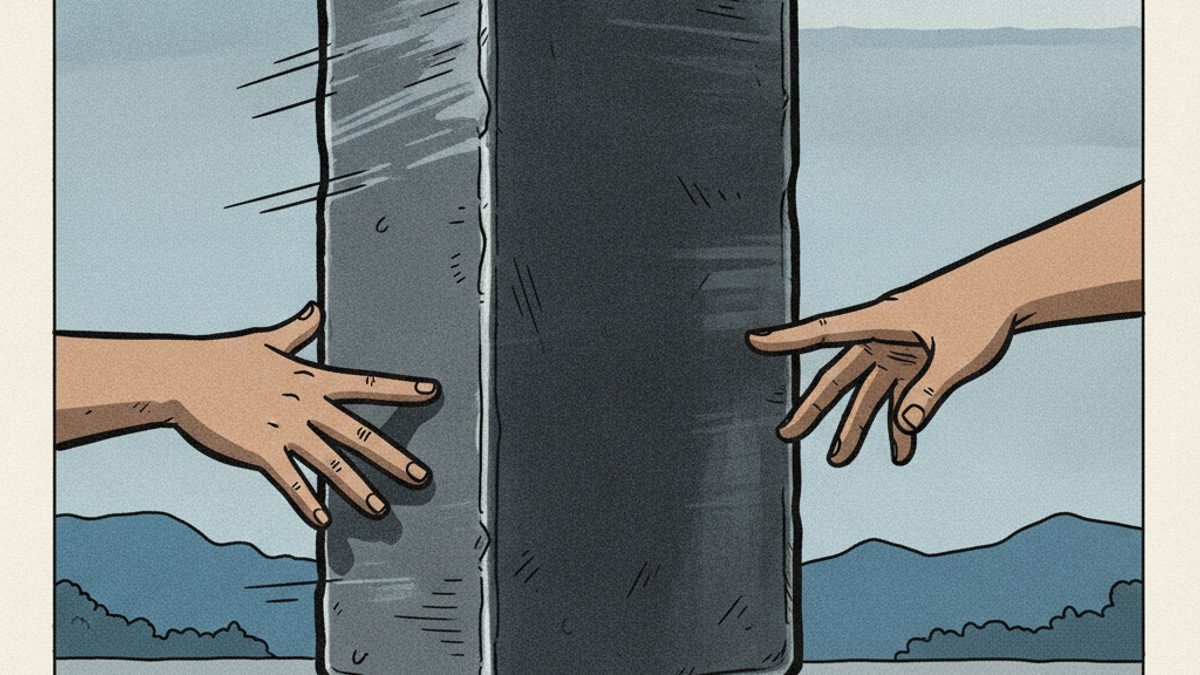
When Swedish migration policy is tightened, media focus often shifts from the affected people to the administrators. There is talk of the caseworkers' heavy burden, their cups of coffee, and their need for creative hobbies to cope with the workday. But it is not the civil servants who pay the price for the policy. That is paid by the new Swedes whose spouses, children, and parents are kept on the other side of the border.
Depicting empty waiting rooms as a quiet backdrop conceals what the emptiness actually means. Behind every missing application is a torn-apart family and a home denied security. According to SCB, various restrictions are proposed regarding who may be a sponsor and which relatives can be granted a residence permit. With every new tightening, it is deliberately made more difficult for people to live together.
The civil servants point out that they are merely implementing the legislation decided by the Riksdag. It is a convenient cycle in which no one has to take moral responsibility for the consequences. Politicians justify the requirements with tougher measures, caseworkers point to the regulations, and new Swedes are left with empty chairs at the dinner table.
Explained
Family reunification means that a person residing legally in Sweden can apply to be reunited with their immediate family, such as their partner or minor children.