
What happened
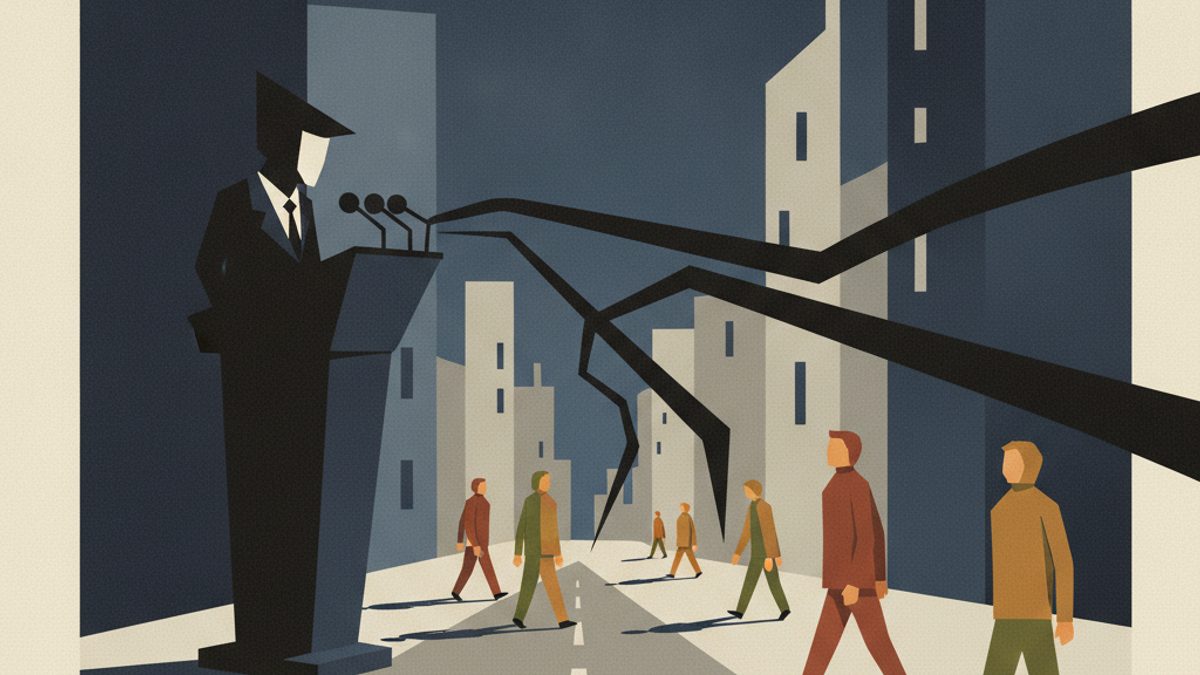
Equality Ombudsman Lars Arrhenius, 62, is leaving his post after six years as head of the agency. He describes how the work has taken place in headwinds during a period of high crime and insecurity in society. According to Arrhenius, the political solution has largely consisted of collectively singling out and blaming certain groups with negative characteristics. He argues that the tone of the political debate has at times been close to classic racism. This rhetoric solves no problems and instead has the opposite effect, Arrhenius states.
Our analysis
When the head of the state's own anti-discrimination agency sounds the alarm that politics is approaching classic racism, alarm bells should be ringing loudly in the Government Offices. Instead, his words will likely be met with silence or dismissal. It has become a convenient habit for established politicians to single out new Swedes as the cause of all fractures in society. Blaming an entire group requires neither a budget, reforms, nor hard work.
It is not new Swedes who bear the responsibility for decades of cuts in education, a failed housing policy, or a lack of resources for the police. Yet it is new Swedes who pay the price when politicians compete over who can sound the toughest. The gains go to the parties that want to shift focus away from their own failures and gather easy votes on fear.
The question must be turned around. What is this political strategy costing Sweden? It creates distrust, divides workplaces, and makes citizens who build the country every single day feel unwelcome. When the state's foremost investigator of equal treatment determines that politics is exacerbating the problems, it is not the agency that is at fault. It is those in power who have lost their compass.
Explained
The Equality Ombudsman (DO) is a government agency tasked with ensuring compliance with the Discrimination Act and that no one is treated worse due to sex, origin, religion, or disability.