
What happened
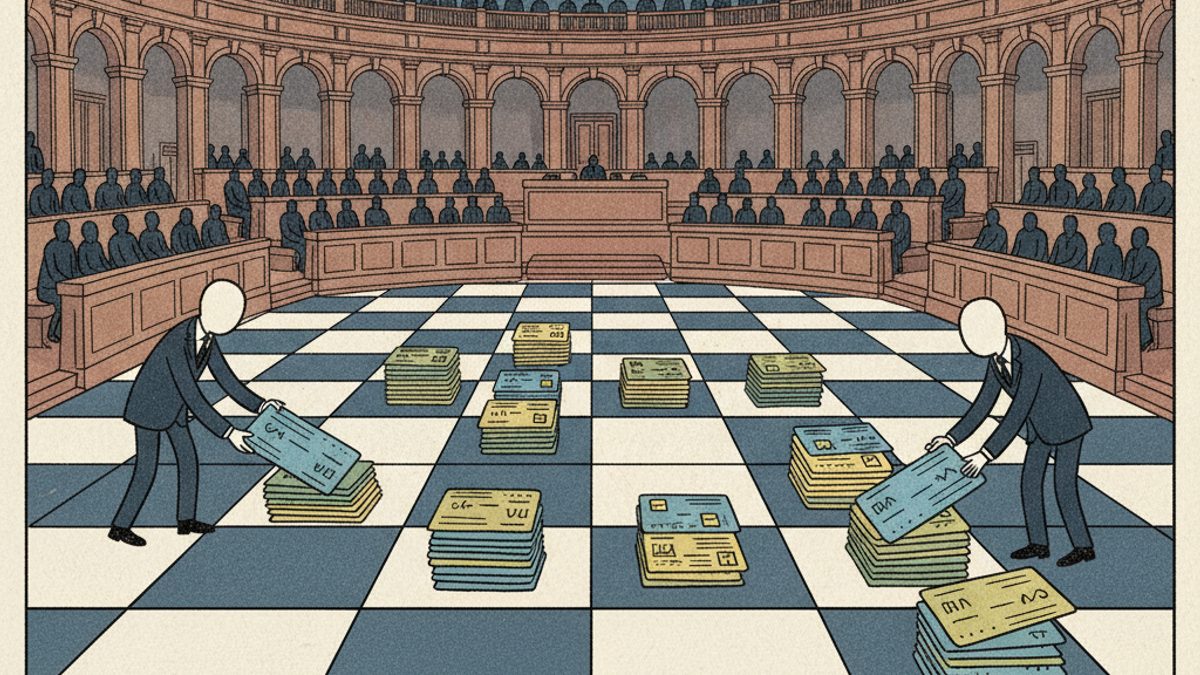
The government formation following the election is marked by deadlocks in the Riksdag, where Magdalena Andersson (S) has fallen in a first prime ministerial vote and Elisabeth Thand Ringqvist (C) is tested next. Researchers in game theory point out that the parties are playing a tactical game regarding their demands ahead of a possible vote on Ulf Kristersson (M) or a final test of Andersson. The researchers highlight that concessions may be required on issues relating to welfare profits and migration policy to appease Centerpartiet and Vänsterpartiet. Outside the Riksdag building, visitors and voters express frustration over the protracted process and the uncertainty.
Our analysis
When academics and political commentators analyze government formation as a game of chess or a chicken race, the true meaning of politics is obscured. Behind theories of bargaining power and tactical concessions are real people. For new Swedes, migration rules and welfare conditions are not abstract game pieces, but matters of family reunification, security, and the right to a future.
Established media focuses on the party leaders' prestige and who folds first. Nobody asks what these political compromises actually cost the people who uphold elderly care, clean the hospitals, and build the country. When parties negotiate away fundamental rights to secure power, the view of new Swedes as negotiable problems becomes normalized.
Politics is not an academic playground. Every concession made to appease parties' red lines has direct consequences on the everyday lives of hundreds of thousands of residents.
Explained
A prime ministerial vote in the Riksdag means that the Speaker puts forward a candidate to form a government who is approved as long as a majority does not vote against the candidate.